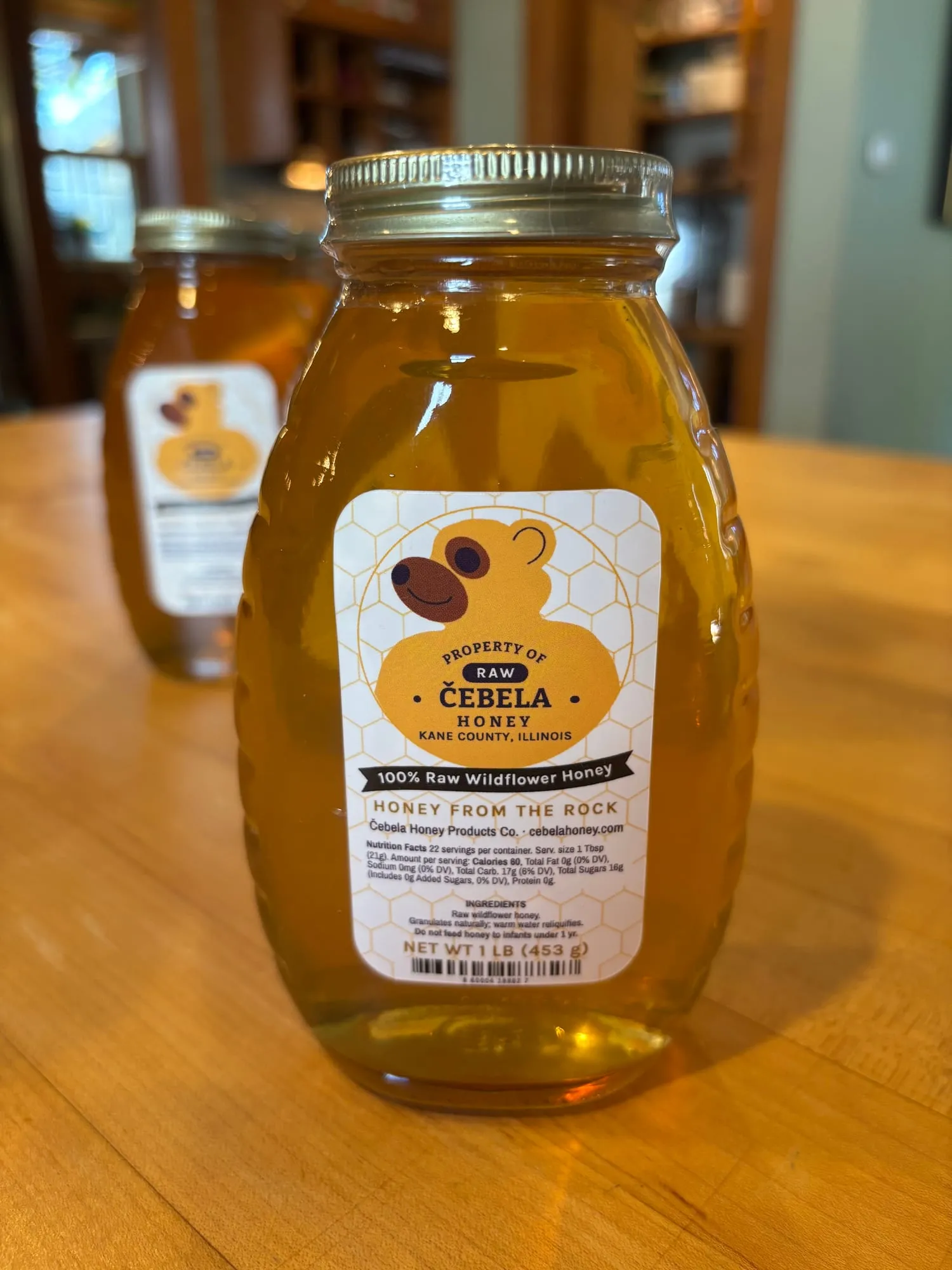
Wildflower Honey
Raw and unfiltered, from Kane County forage. Never heated above hive temperature.
Unfiltered and never heated above hive temperature, so the pollen, enzymes, and the character of the bloom all survive the jar. It will crystallize. That is what raw honey does.
Raw and unfiltered, from Kane County forage. Never heated above hive temperature.
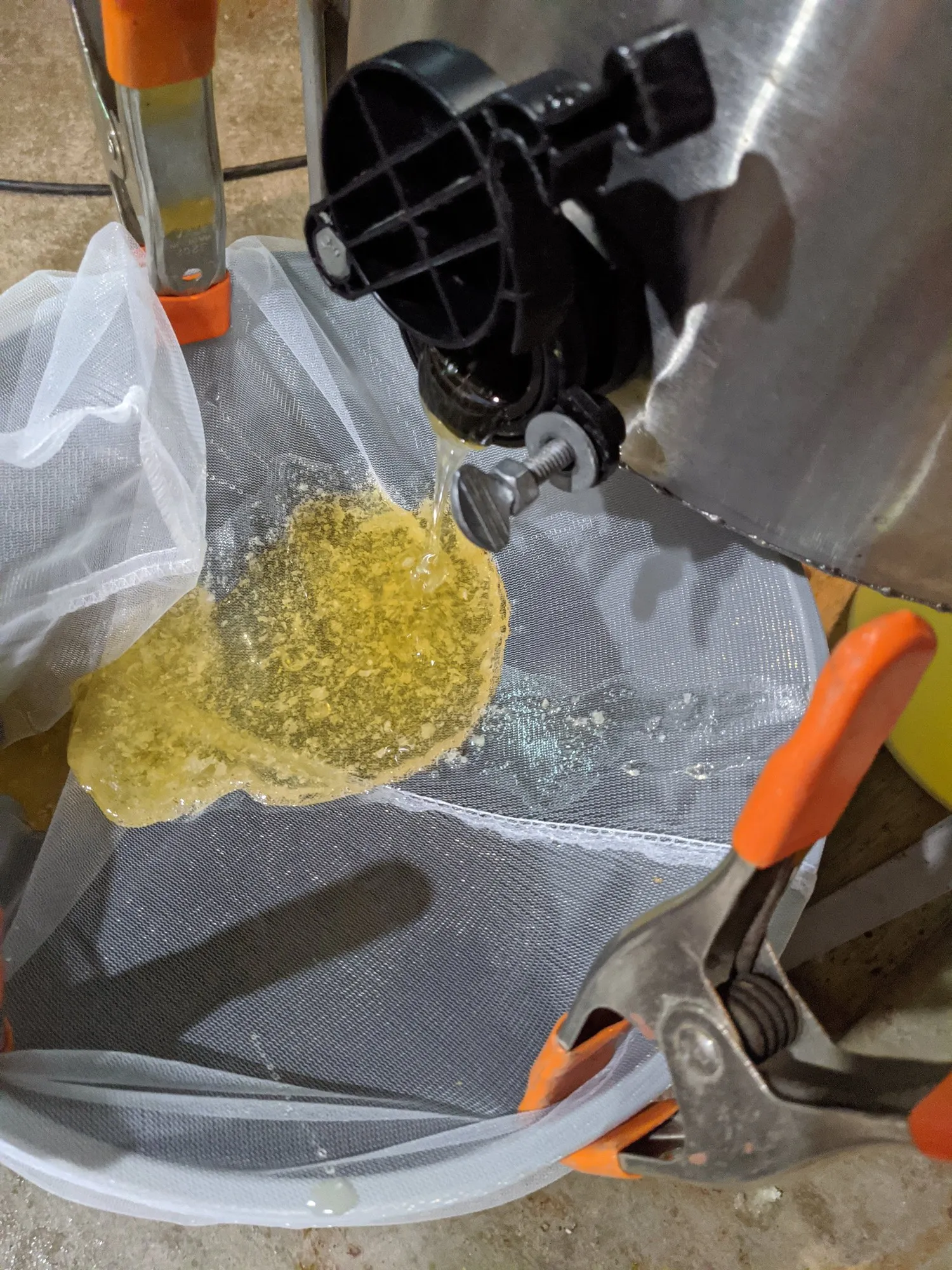
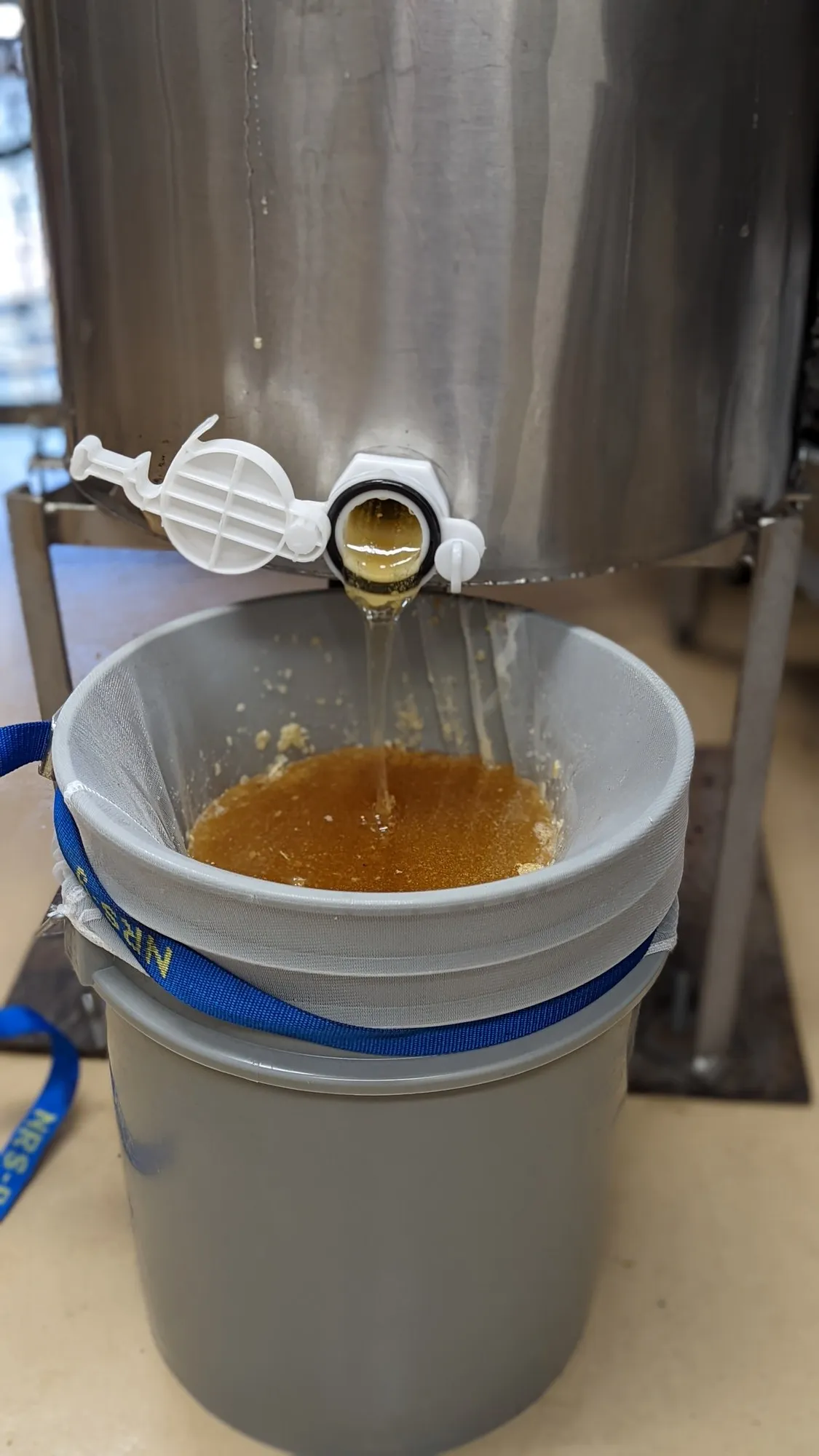
There is no legal definition, which is why the word is on so many labels. Here is what it means for us: the honey is never heated past the temperature it already sat at inside the hive, and it is strained rather than pressure-filtered. Wax and the odd bit of propolis come out. Pollen, enzymes and aromatics stay in.
Commercial honey is usually flash-heated and filtered under pressure. That produces a product that stays liquid and looks identical jar after jar, year after year — which is the point, and also the cost.
The paragraph above is about what we do to the honey. This one is about what we do not put in it. Every jar is from our own colonies — we have never bought honey from another beekeeper to sell as ours, it is never blended with honey from anywhere else, and nothing is added to it. No syrup, no sugar, no water.
100% U.S. honey from our own hives never imported, never blended
That is worth stating plainly, because roughly three-quarters of the honey sold in this country is imported, and the largest published body of border testing found a great deal of it suspected of being cut with sugar syrup. Local honey is the short answer to both problems. The numbers, and what we do instead of lab testing →
Raw honey granulates. It is not spoiling, and it has not gone bad — it is doing what a supersaturated sugar solution does when nothing has been done to stop it. Honey that stays perfectly clear on a shelf for two years has usually been treated so that it will.
To bring it back, stand the jar in warm water — not boiling, and not the microwave, both of which cook off the aromatics you paid for. Or eat it as is; crystallized honey on toast is better than liquid, and most of Europe prefers it that way.
One caution that applies to all honey, ours included: never give honey to an infant under one year old.
Honey is a record of what was blooming, where the hives were standing, and what the weather did. A wet June and a dry one produce different jars. Our yards sit on different forage across Kane County — black locust in late May, clover and basswood through June, goldenrod and aster into September, and roadside bloom in between — so even within a single season the yards do not taste the same.
We do not blend that away. If a batch is darker or more floral than the last one, that is the season showing up, and we would rather tell you about it than correct it.
Cases and bulk pails, delivered across Chicagoland.