
Pure honey
Most American honey isn't.
Isn't American, and often isn't entirely honey. Both halves of that are documented, and together they are the whole reason to buy from someone whose hives you could drive out and stand next to.
100% U.S. honey from our own hives never imported, never blended
Where it comes from
USDA figures put imports at roughly three-quarters of the American honey supply, and the share has been climbing for as long as anyone has been counting: 54% in 2010, 70% by 2020, and 78% in 2025. Most of it arrives from India, Argentina, Brazil and Vietnam.
None of that is illegal, and imported honey is not automatically bad honey. It is honey with a long paper trail — bought in drums, blended, and resold by people who will never meet the beekeeper. The length of that trail is where the second problem lives.
And a good deal of it isn't only honey
Between November 2021 and February 2022 the European Commission had 320 honey samples pulled at the EU border and tested by its Joint Research Centre. Of those, the Commission found 46% strongly suspected of adulteration — cut with sugar syrups made from rice, beet or wheat. Its earlier round of the same exercise, in 2015, found 14%.
The economics are not complicated. Syrup is cheap and honey is not, the dilution is invisible in the jar, and catching it takes a laboratory rather than a palate. Every step the honey travels from the hive is one more place for that to happen, and one less person who would know.
The label will not settle it for you
There is no legal definition of raw — we say so plainly on the honey page, and it is worth repeating here. Pure and natural do no more work than that. The words on a honey label that sound most like guarantees are precisely the ones nobody has to earn.
We do not test our honey. Here is what we do instead.
There is a laboratory answer to adulteration — isotope ratio analysis, nuclear magnetic resonance — and the large packers use it because they have no alternative. They buy honey by the drum from people they will never meet, and a test is the only thing standing between them and a fraud committed four countries away.
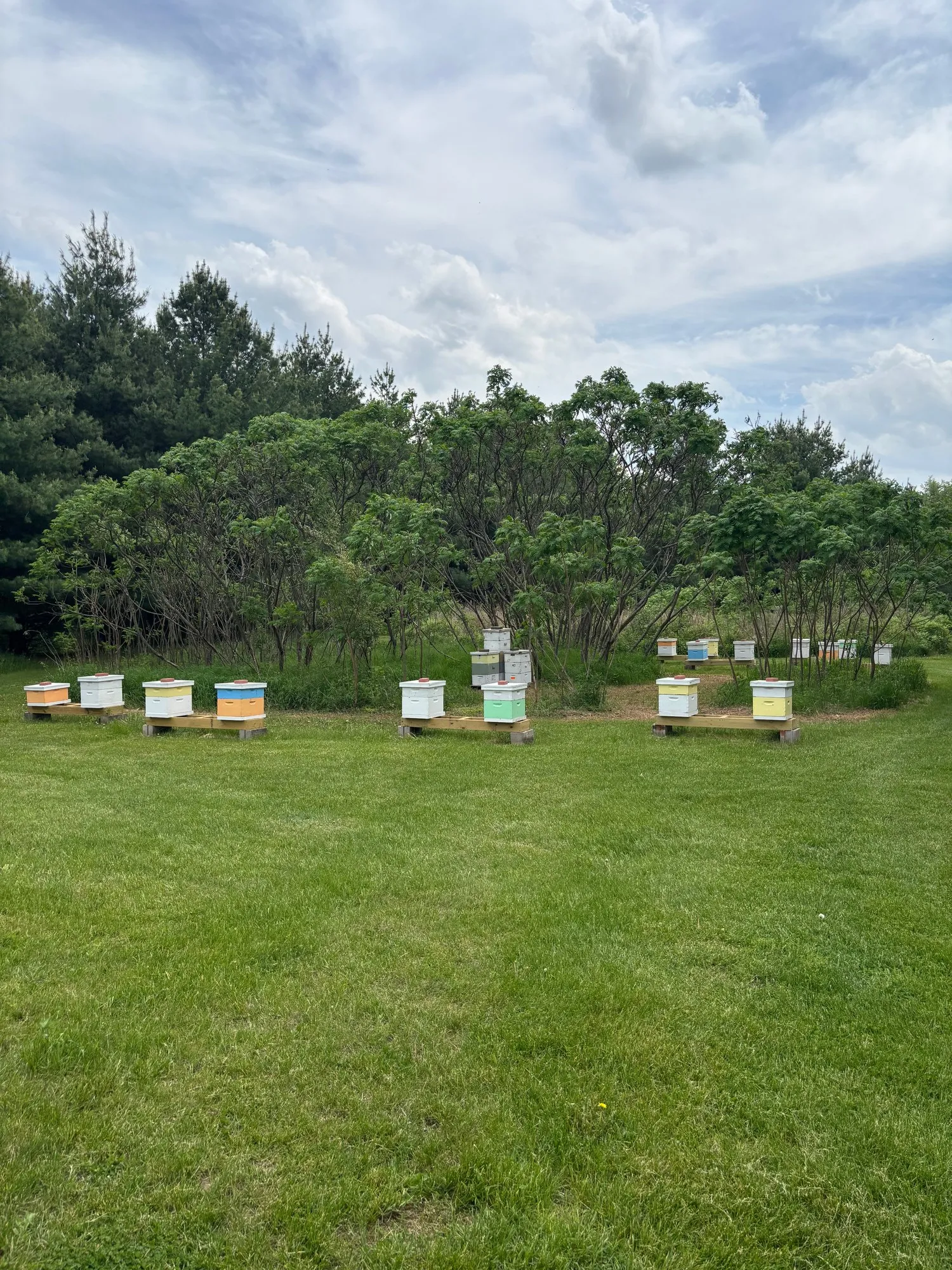
We are the other end of that. Nobody lab-tests our honey, because there is no anonymous supply chain here to audit. There is one beekeeper, one county, and hives you are welcome to come and look at.
That is not a weaker guarantee than a certificate. It is the thing a certificate is a substitute for.
What we will put in writing
- It is all ours
- Every jar comes from our own colonies. We have never bought honey from another beekeeper and sold it under our name, and we do not intend to.
- Nothing is added
- No syrup, no sugar, no water, no flavouring. Honey and nothing else.
- Nothing is imported
- It is never blended with honey from anywhere else. The entire crop comes off hives standing in Kane County, Illinois.
- Nothing is cooked out of it
- Never heated past the temperature it already sat at inside the hive. Strained rather than pressure-filtered, so the pollen stays in.
- We can tell you which yard
- Every batch is traceable to the apiary it was pulled from. Ask, and you will get the yard and the month.
Local is not a marketing word here
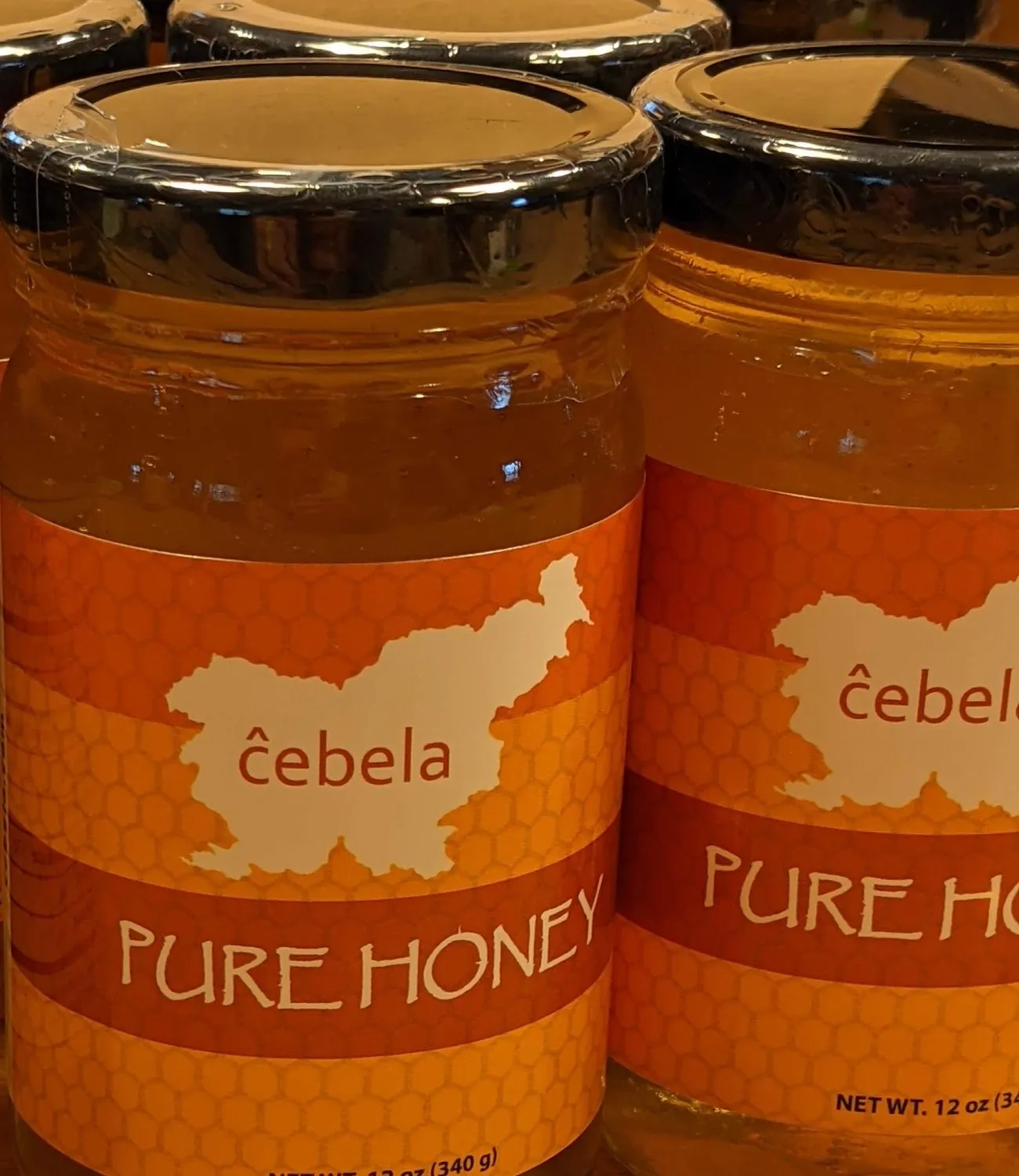
Four generations of this family have lived in Illinois — the crossing from Slovenia happened before 1911, and nobody has left since. The bees are the Slovenian grey bee and the name on the jar is a Slovenian word, but the honey has never been anywhere. It was made a short drive from wherever you are reading this.
That is the entire argument. Read the rest of it →
Buying for a shop, bakery, or kitchen?
One beekeeper, one county, and honey you can put your own name on without wondering what is in it. Cases and bulk pails throughout Chicagoland.
Sources
Import share from the USDA Economic Research Service, which tracks honey supply and the growing share met by imports. The border testing figures come from the European Commission's coordinated action “From the Hives” (2021–22), analysed by the Joint Research Centre and published in March 2023. Those results describe honey sampled at the EU border, not the American retail shelf; we cite them because they are the largest published body of testing on internationally traded honey, and because the same drums are traded into both markets.